Ricerca
Pubblicazioni
Articoli scientifici, contributi a conferenze e ricerche in corso del gruppo IMP.
Riviste Scientifiche
Journal Articles
Pubblicati
10
A novel data-driven approach for integrated inventory replenishment, safety stock and lead time optimization
Matteo Gabellini, Alberto Regattieri, Marco Bortolini, Michele Ronchi
Effective inventory management requires optimizing order timing, quantities, safety stock and safety lead times to minimize costs and disruptions. Recent data-driven methods often assume static lead times, procurement costs, and defect rates, addressing replenishment separately from safety stock and lead time optimization. This study presents a comprehensive data-driven approach that considers lead time, purchasing cost, and defect quantity as dynamic factors, optimizing safety parameters in conjunction with replenishment decisions. A custom loss function accounts for the different impacts of shortage and holding costs. The method was tested on an automotive dataset, demonstrating its ability to match ideal decision-makers while maintaining computational efficiency. Results show that this integrated approach improves inventory decisions, adapting dynamically to changing conditions. By optimizing multiple factors simultaneously, it offers a scalable and effective solution for complex inventory environments, enhancing decision-making beyond traditional static models.
Sottomissione
16 set 25
Revisione R1 ricevuta
21 ott 26
Revisione R1 inviata
15 dic 26
Revisione R2 ricevuta
2 mar 26
Revisione R2 inviata
15 apr 26
Revisione R3 ricevuta
11 giu 26
Revisione R3 inviata
15 giu 26
Pubblicazione
3 lug 26

Unlocking the Potential of Mass Customization Through Industry 4.0: Mapping Research Streams and Future Directions
LD Naldi, FG Galizia, M Bortolini, M Gabellini, E Ferrari
Mass customization (MC) has become a pivotal manufacturing strategy for addressing the growing demand for personalized products without compromising cost efficiency and scalability. The emergence of Industry 4.0 (I4.0) has further expanded the potential of MC by enabling intelligent, flexible, and interconnected production systems. This paper presents a systematic literature review covering the period from 2011 to 2024, aimed at examining how I4.0 technologies influenced the conceptual evolution, technological enablers, and supply chain implications of MC. A total of 3441 publications were retrieved from Scopus and analyzed using a combination of bibliometric mapping and qualitative synthesis. The review identifies three primary research streams: (1) MC conceptual frameworks and performance metrics, (2) enabling technologies and methods across the product lifecycle, and (3) supply chain strategies tailored to MC environments. Key enablers such as product modularity, customer co-design platforms, additive manufacturing, and reconfigurable production systems are discussed, along with barriers related to complexity, integration challenges, and sustainability trade-offs. The study highlights a gradual convergence toward mass personalization, supported by real-time data, artificial intelligence, and predictive analytics. The findings offer a structured understanding of MC in the I4.0 context and point toward future research opportunities involving digital twin integration, cross-disciplinary implementation models, and sustainability-driven customization frameworks.

An MILP Model for Optimizing Quality Inspection Allocation with Technology Selection and Variable Sampling Rates
M Ronchi, C Cafarella, M Gabellini, A Regattieri, M Gamberi
Quality inspection is critical for ensuring efficiency and compliance in assembly lines. The increasing adoption of AI-driven technologies, such as machine vision systems, offers significant potential to enhance detection performance and reduce inspection costs. However, these technologies are often integrated with human operators in hybrid inspection systems, posing complex design challenges. Motivated by gaps in the existing research, this paper proposes a novel MILP model that introduces several previously unaddressed capabilities in inspection planning. Specifically, it simultaneously optimizes the inspection method selection, sampling rate, and detection rate across multi-product systems featuring multiple inspection technologies with varying costs and accuracies. This unified formulation represents a substantive advancement over existing models, which typically address only isolated aspects of the problem. The model minimizes the total quality-related costs—comprising investment, inspection, penalty, and rework costs—while considering operational constraints such as workforce availability, inspection and rework time limits, and equipment capacity. Key modeling assumptions include heterogeneous inspection accuracies, product-specific defect probabilities, and the feasibility of partial inspections. The approach is validated on both synthetic datasets and a real-world automotive case study, demonstrating its ability to significantly reduce costs and to highlight the benefits of effectively combining human and machine-based inspections.

Data Spaces in Manufacturing and Supply Chains: A Review and Insights from European Initiatives
M Gabellini, L Civolani, M Ronchi, LD Naldi, A Regattieri
Data spaces are increasingly recognized as a key enabler of secure, sovereign, and interoperable data exchange across manufacturing and supply chain networks. Despite growing institutional interest in Europe, academic research on this topic lacks a consolidated perspective. This study addresses this gap by combining a systematic literature review with an analysis of early insights from European initiatives to explore how data spaces are being conceptualized and implemented in industrial contexts. The review covers bibliometric trends and thematic content in the scientific literature, while also examining the structure and maturity of ongoing European projects. Results show a recent surge in scholarly interest, with early applications focusing primarily on resilience and sustainability. Practical initiatives are progressing toward implementation, supported by reference architectures like International Data Space and Gaia-X. The study concludes by outlining future research priorities, including the need for standardized design approaches and greater support for cross-sector collaboration.
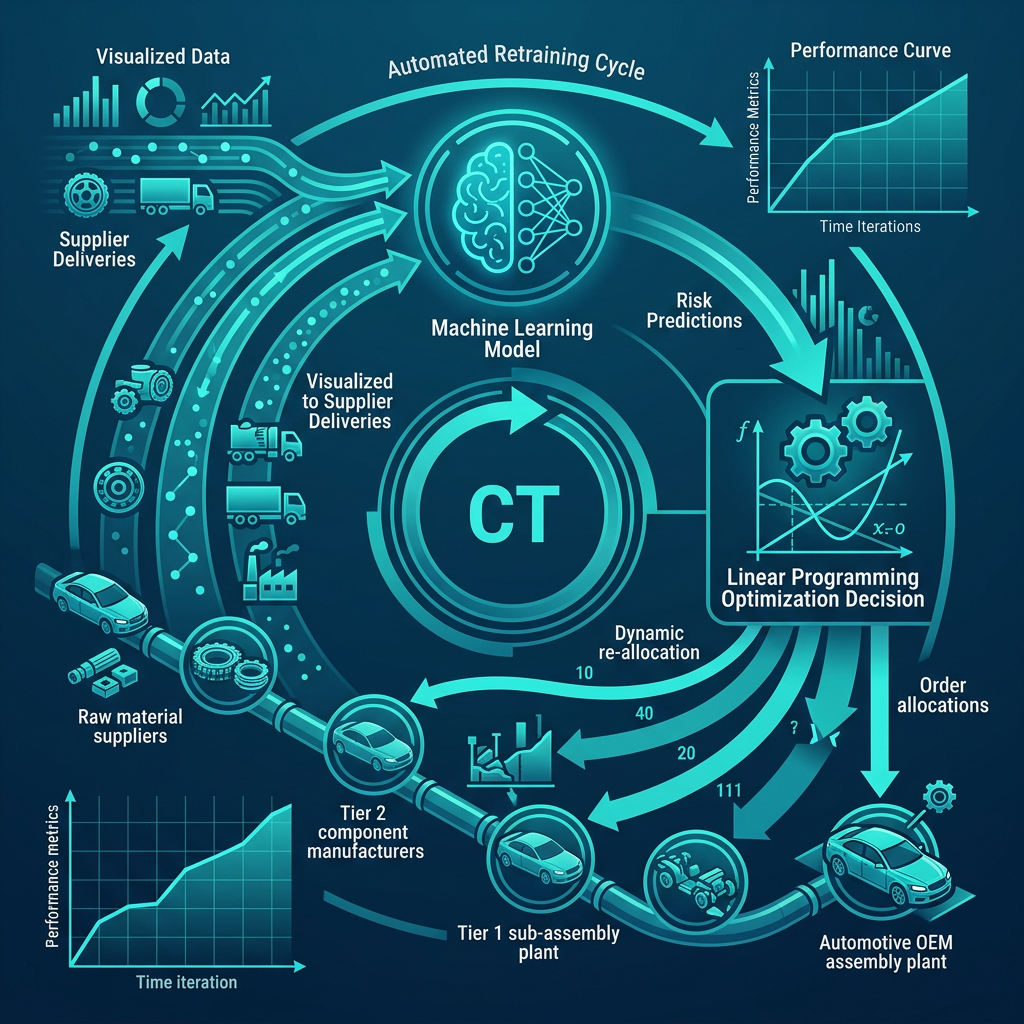
A continuous training approach for risk informed supplier selection and order allocation
M Gabellini, S Mak, S Schoepf, A Brintrup, A Regattieri
Supplier selection and order allocation, a longstanding challenge in supply chain management, has recently begun incorporating risk minimization alongside cost, reflecting growing interest in supply chain resilience and risk mitigation. In response, hybrid frameworks leveraging artificial intelligence and machine learning have emerged. However, current methods often lack mechanisms to update decisions over time and typically rely solely on demand forecasts. To address these gaps, this study introduces a new hybrid approach that integrates machine learning–based predictions of supplier delivery delays into a linear programming model for multiperiod supplier selection and order allocation. Additionally, the proposed method evaluates a continuous training strategy, wherein predictions and decisions are refreshed as new data become available. Empirical evidence from an automotive case study demonstrates that this approach reduces prediction errors and total costs more effectively than models without continuous training, albeit with increased order allocation instability.

An information-sharing and cost-aware custom loss machine learning framework for 3PL supply chain forecasting
Gabellini, M., Calabrese, F., Galizia, F. G., Ronchi, M., & Regattieri, A.
Supply chain forecasting methods have traditionally been developed from the perspective of manufacturing companies, which historically held dominant roles within supply chain dynamics. However, the growing importance of third-party logistics providers (3PLs) calls for forecasting approaches tailored to their unique operational needs. This paper presents a novel forecasting framework specifically designed for 3PLs to accurately predict the truck space required for transporting their customers’ products. Unlike conventional methods, the proposed approach directly forecasts truck space demand by utilizing data obtained through information-sharing technologies to train machine learning models. Furthermore, a customized loss function is introduced for the first time, explicitly accounting for the asymmetric costs associated with overestimating and underestimating truck utilization. The framework was validated through a real-world case study involving a 3PL operating in the food sector. The results demonstrated significant improvements over traditional forecasting techniques, underscoring the benefits of integrating machine learning, information sharing, and a tailored loss function to enhance both predictive accuracy and cost-efficiency.

Conceptualization and validation of an intelligent digital twin design framework for supply chain risk management
Gabellini, M., Regattieri, A., Bortolini, M., & Ronchi, M.
Intelligent digital twins for supply chain risk management have recently gained attention due to rising disruptions, increasing supply chain complexity, and the need for advanced tools. Although various frameworks exist, few clearly identify the necessary data, predictions, and decision-making problems for their development, and even fewer have been validated in real-world case studies. This study fills those gaps by proposing and validating a comprehensive design framework in the automotive sector. The results show that the prototypes developed based on the framework effectively support tasks such as predicting supply chain performance and guiding supplier selection and order allocation while significantly reducing the time needed for risk management tasks.
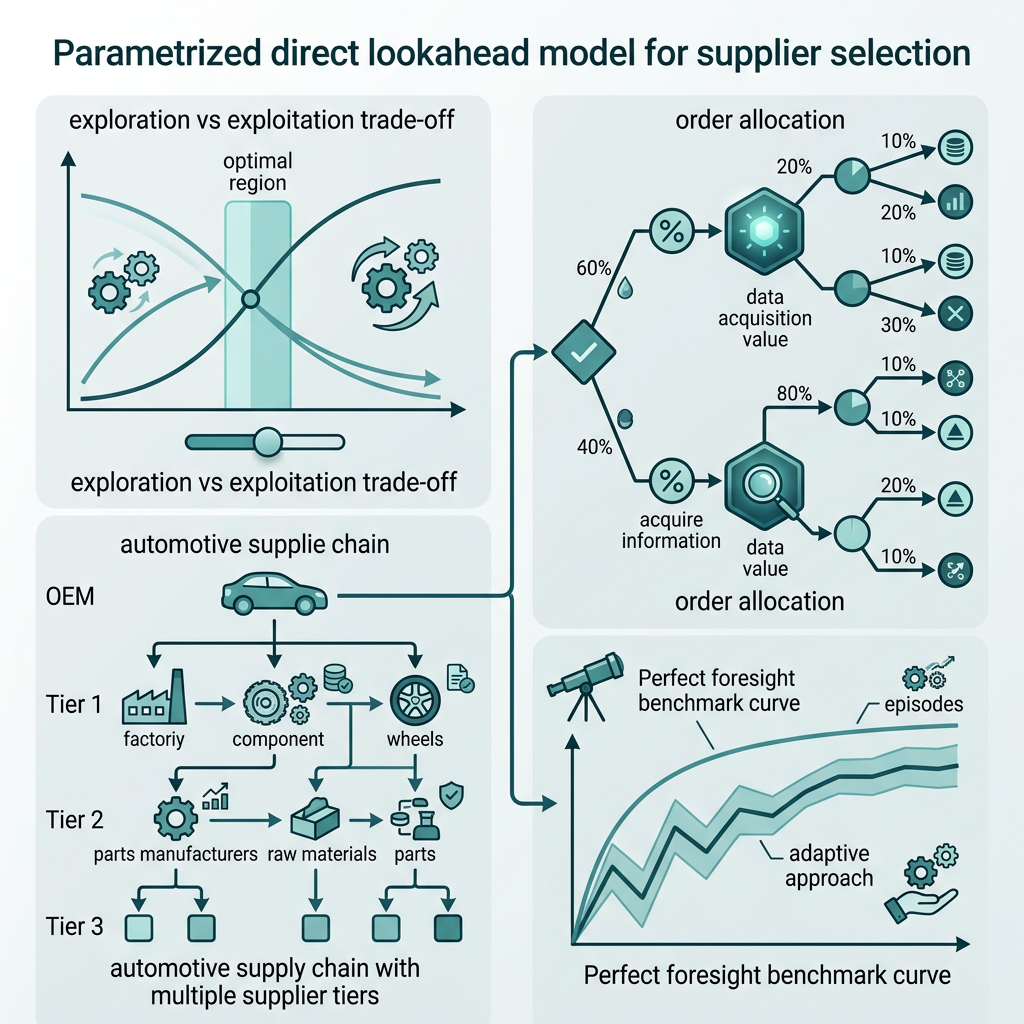
Balancing data acquisition benefits and ordering costs for predictive supplier selection and order allocation
A Regattieri, M Gabellini, F Calabrese, L Civolani, FG Galizia
The strategic selection of suppliers and the allocation of orders across multiple periods have long been recognized as critical aspects influencing company expenditure and resilience. Leveraging the enhanced predictive capabilities afforded by machine learning models, direct lookahead models—linear programming models that optimize future decisions based on forecasts generated by external predictive modules—have emerged as viable alternatives to traditional deterministic and stochastic programming methodologies to solve related problems. However, despite these advancements, approaches implementing direct lookahead models typically lack mechanisms for updating forecasts over time. Yet, in practice, suppliers often exhibit dynamic behaviours, and failing to update forecasts can lead to suboptimal decision-making. This study introduces a novel approach based on parametrized direct lookahead models to address this gap. The approach explicitly addresses the hidden trade-offs associated with incorporating forecast updates. Recognizing that forecasts can only be updated by acquiring new data and that the primary means of acquiring supplier-related data is through order allocation, this study investigates the trade-offs between data acquisition benefits and order allocation costs. An experimental design utilizing real-world automotive sector data is employed to assess the potential of the proposed approach against various benchmarks. These benchmarks include decision scenarios representing perfect foresight, no data acquisition benefits, and consistently positive benefits. Empirical findings demonstrate that the proposed approach achieves performance levels comparable to those of decision-makers with perfect foresight while consistently outperforming benchmarks not balancing order allocation costs and data acquisition benefits.
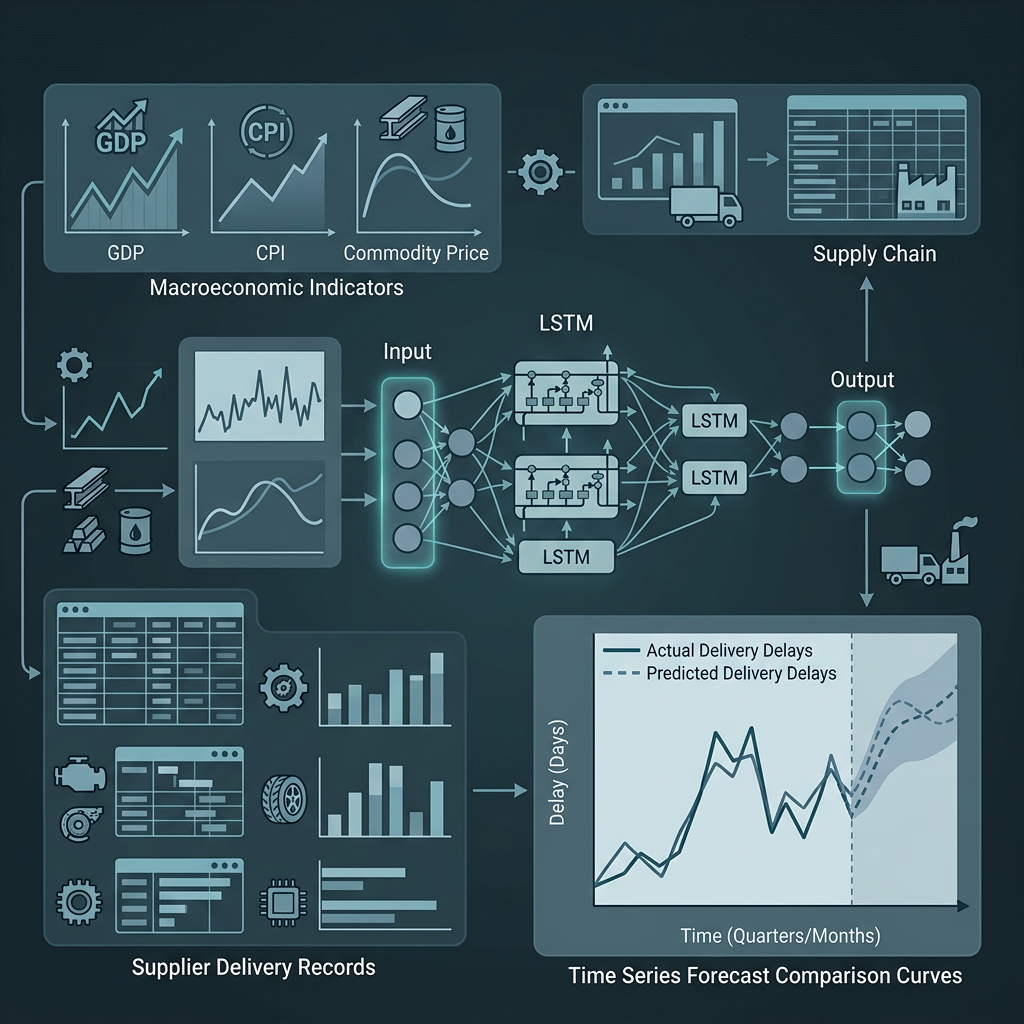
A deep learning approach to predict supply chain delivery delay risk based on macroeconomic indicators: A case study in the automotive sector
M Gabellini, L Civolani, F Calabrese, M Bortolini
The development of predictive approaches to estimate supplier delivery risks has become vital for companies that rely heavily on outsourcing practices and lean management strategies in the era of the shortage economy. However, the literature that presents studies proposing the development of such approaches is still in its infancy, and several gaps have been found. In particular, most of the current studies present approaches that can only estimate whether suppliers will be late or not. Moreover, even if autocorrelation in data has been widely considered in demand forecasting, it has been neglected in supplier delivery risk predictions. Finally, current approaches struggle to consider macroeconomic data as input and rely mostly on machine learning models, while deep learning ones have rarely been investigated. The main contribution of this study is thus to propose a new approach that for the first time simultaneously adopts a deep learning model able to capture autocorrelation in data and integrates several macroeconomic indicators as input. Furthermore, as a second contribution, the performance of the proposed approach has been investigated in a real automotive case study and compared with those studies resulting from approaches that adopt traditional statistical models and models that do not consider macroeconomic indicators as additional inputs. The results highlight the capabilities of the proposed approach to provide good forecasts and outperform benchmarks for most of the considered predictions. Furthermore, the results provide evidence of the importance of considering macroeconomic indicators as additional input.

A hybrid approach integrating genetic algorithm and machine learning to solve the order picking batch assignment problem considering learning and fatigue of pickers
M Gabellini, F Calabrese, A Regattieri, D Loske, M Klumpp
Modeling human behaviors has become increasingly relevant to improving the performance of manual order-picking systems. However, although a vast corpus of literature has recently started to consider the human factors in these systems, several gaps remain uncovered. Specifically, mental and physical human factors, like learning and fatigue, and quantitative and spatial features of picking orders have never been considered jointly to estimate the time a human order picker requires to execute a specific picking mission. Furthermore, little attention has been given to assigning and sequencing orders to pickers to minimize the picking time acting on their individual learning and fatigue characteristics. This study thus proposes a novel approach integrating machine learning and genetic algorithms to solve the problem. A non-linear machine learning-based predictive model has been adopted to predict the picking time of batches of orders based on quantitative and spatial features of batches and learning and fatigue indicators of pickers. These predictions have thus been adopted to guide a genetic algorithm to find the best assignment of future planned batches of orders to pickers. One year of picking data collected from the warehouse of a grocery retailer has been adopted to investigate the potential of the proposed approach. Furthermore, multiple comparisons have been performed. First, the advantages of predicting the batch-picking time with the proposed non-linear model have been compared with predictions executed based on linear models. In addition, an ablation analysis has been performed to investigate the advantages of predicting the batch picking time while simultaneously considering the quantitative and spatial features of batches and the learning and fatigue indicators of pickers. Moreover, the advantages of the proposed batch assignment strategy, which considers learning and fatigue indicators, have been compared with an assignment strategy that does not optimize these elements. Lastly, an explainability analysis of the predictive model has been performed to understand how and how much quantitative and spatial features of batches and learning and fatigue indicators of pickers affect the batch picking time.
In Revisione
3Manoscritti sotto revisione — non citare senza autorizzazione.

A HIERARCHICAL TEMPLATE-BASED PLANNING FRAMEWORK FOR INBOUND LOGISTICS
Francesca Calabrese, Cristian Cafarella, Matteo Gabellini, Alberto Regattieri
Inbound logistics systems increasingly operate under decentralized procurement, limited demand visibility, and dynamically evolving transportation requests. In this context, purely reactive routing approaches may generate unstable transportation plans, frequent replanning activities, and limited exploitation of recurring consolidation opportunities. This paper proposes a hierarchical template-based transportation planning framework for dynamic inbound logistics. The framework combines a tactical layer, which identifies recurrent supplier interactions and generates recurring transportation templates, with a rolling-horizon operational layer that coordinates daily requests through active-template assignment, future-template assignment, adaptive enrichment, and residual transportation management. The framework is evaluated through a real industrial case study involving 927 suppliers and more than 88,000 historical transportation requests from a large European manufacturing company. Results show that a limited subset of recurrent suppliers accounts for most transportation demand, supporting the generation of stable and executable templates. Compared with a reactive rolling-horizon benchmark using the same routing heuristic, fleet configuration, and cost structure, the proposed framework reduces total transportation costs by 9.7%, increases transportation automation from 90.5% to 95.1%, improves vehicle utilization, and reduces computational effort by more than 70%, while maintaining high service responsiveness. The findings highlight the value of integrating recurring transportation structures with rolling-horizon coordination mechanisms in dynamic inbound logistics environments.
Sottomissione
12 giu 26
Revisione R1 ricevuta
Revisione R1 inviata
Revisione R2 ricevuta
Revisione R2 inviata
Pubblicazione

An industry 5.0 value-oriented compromised programming model for supply chain reconfiguration against tariffs
Matteo Gabellini, Alberto Regattieri, Francesco Gabriele Galizia
Tariff shocks have emerged as a critical source of disruption for global supply chains, altering firms’ cost structures, competitive positioning, and strategic configuration choices. Despite the relevance of this phenomenon, research still lacks analytical models capable of guiding supply chain redesign in a way that aligns with Industry 5.0 values—namely the simultaneous pursuit of profitability, human-centricity, resilience, and environmental sustainability. This paper thus introduces a novel compromise-programming model that integrates these multidimensional objectives to support firms in reconfiguring their supply chains under tariff-induced pressure. The model is applied to a real automotive supply chain facing a tariff increase, offering empirically grounded managerial insights into how firms can adjust sourcing, pricing, and production decisions to mitigate economic losses while advancing broader Industry 5.0 priorities. The results illustrate the trade-offs and synergies that emerge when firms respond to tariff shocks holistically, and highlight the economic and social implications of adopting an Industry 5.0–aligned reconfiguration strategy.
Sottomissione
20 feb 26
Revisione R1 ricevuta
Revisione R1 inviata
Revisione R2 ricevuta
Revisione R2 inviata
Pubblicazione

COCOA: A Model-Agnostic Framework for Forecasting Accessories Demand from Final Product Sales
Matteo Gabellini, Alberto Regattieri
Forecasting accessories demand is challenging because it is structurally dependent on final product sales but not deterministically derived from them. Existing approaches either treat accessories as independent time series or rely on attach-rate assumptions embedded in model-specific frameworks, limiting flexibility and generalizability. This paper proposes the COCOA-framework, a model-agnostic framework that exploits transaction-level co-occurrence and integrates forecasted final-product demand as future covariates within a multivariate model. The approach is evaluated through a real automotive case study involving 121 accessories with heterogeneous demand patterns, benchmarked against univariate models across multiple forecasting techniques and horizons, under both perfect and imperfect final-product forecasts. Results show significant and largely model-agnostic improvements for intermittent and lumpy demand, with gains attenuating but remaining present under realistic forecast uncertainty.
Sottomissione
20 feb 26
Revisione R1 ricevuta
15 mag 26
Revisione R1 inviata
11 giu 26
Revisione R2 ricevuta
24 ago 26
Revisione R2 inviata
4 set 26
Pubblicazione
In Preparazione
1
Energy-Efficient Management of Compressed Air Systems: A Review of Predictive and Prescriptive Models
Matteo Gabellini, Alberto Regattieri, Michele Pinelli, Mattia Battarra, Alessio Suman, Emiliano Mucchi
Compressed air systems are essential industrial utilities but are highly ener-gy-intensive and often affected by leakages, pressure losses, inefficient control, equipment degradation, and poor coordination between supply and demand. Previous reviews mainly focus on specific technologies, efficiency measures, components, or diagnostic techniques, while a systematic synthesis of predictive and prescriptive models for energy-efficient compressed air system manage-ment is still lacking. This paper addresses this gap through a structured literature review combining bibliometric, predictive, and prescriptive analyses. Predictive studies are classified by problem type, prediction task, and input data, whereas prescriptive studies are analysed according to decision problem, objective func-tion, uncertainty assumptions, and solution approach. Results highlight com-mon research trends and literature gap providing the basis for developing more integrated and effective decision-support tools for compressed air systems.
Atti di Conferenza
Conference Papers
Pubblicati
13A Cluster Based Genetic Algorithm for Product Allocation Across Multiple Warehouse
Gabellini Matteo, Regattieri, Alberto, Bortolini Marco, di Nardo Pasquale, Siena Riccardo
In recent years, the growth of e-commerce has driven a trend toward order fulfillment strategies that draw products from multiple dispersed warehouses. This evolution has heightened the need for optimal product allocation to warehouse locations to minimize inter-warehouse shipment flows and reduce order completion times and costs. Despite the practical significance of this allocation problem, there is a lack of heuristic approaches capable of addressing large-scale, real-world instances. This paper proposes a novel genetic algorithm to solve the multi-warehouse product allocation problem, integrating tailored genetic operators and constraint-handling mechanisms to enhance solution quality. We evaluate the approach on an industrial case study drawn from an e-commerce company, comprising realistic demand and distribution scenarios. Computational experiments demonstrate that our genetic algorithm outperforms baseline methods in reducing total inter-warehouse flow, achieving significant improvements in logistical efficiency. These results clearly confirm the proposed method’s practical applicability and robustness for complex e-commerce fulfillment networks.

Economic Feasibility Assessment of Automatic Optical Inspection
Ronchi Michele, Regattieri, Alberto, Gamberi Mauro, Gabellini Matteo, Naldi Ludovica Diletta
Manufacturers are increasingly seeking technologies that ensure high product quality while improving operational efficiency. Automatic Optical Inspection (AOI) systems, enhanced by recent advances in Computer Vision (CV), offer consistent defect detection through Non-Destructive Inspection (NDI). However, high initial investment costs and limited awareness of their economic benefits still hinder their widespread industrial adoption. This paper presents a comprehensive cost model to support decision-makers in evaluating the financial feasibility of replacing human-based visual inspection with AOI systems. The model includes a detailed breakdown of both the investment costs and the potential annual savings, considering inspection-related operational costs, internal and external repair costs, unnecessary rework, and even the impact of future sales losses caused by undetected defects. A reverse-calculation method is also proposed to estimate the threshold of revenue loss that would justify the investment under a desired payback period. The proposed model provides a practical and flexible tool to support informed investment decisions. An application to a real-world case study in the automotive industry demonstrates the applicability of the model and confirms the potential of AOI to deliver a short payback period. By quantifying key economic drivers, this work contributes to making AOI adoption more transparent and accessible for manufacturing companies.

Managing Variety in the Era of Mass Customization: A Decisional Algorithm for Product Platform Design
Naldi Ludovica Diletta, Venturi Riccardo, Galizia Francesco Gabriele, Bortolini Marco, Gabellini Matteo
In recent years, companies have been struggling to best cope with the increasing request for customized and personalized products that characterizes mass customization paradigm. The efficient management of product variety requires effective solutions to make companies able to deliver such products in a short time and at a high-quality rate. The Delayed Product Differentiation (DPD) is rising as one of the most effective strategies to manage mass customization, implemented in practice using product platforms. Platforms are intermediate products formed by the most common components within a product family and managed through a make-to-stock strategy. After the arrival of the customer order, platforms are transformed into the final variants through assembly/disassembly customization tasks, delaying the final product differentiation point. In such a scenario, this paper proposes an innovative decisional algorithm for product platform design and selection to reduce the overall effort for platform customization into final variants. The application of the procedure to a reference industrial case study showcases its relevance and validity in managing high product variety.
Foundation Models for Supply Chain Risk Forecasting: A Case Study
Civolani Lorenzo, Gabellini Matteo, Naldi Ludovica Diletta, Mora Cristina, Regattieri Alberto, Ronchi Michele
These days, supply chains are complex, exposed to a growing number of risks and vulnerable to unexpected disruptions. In such context, forecasting risk factors is vitally important to improve the level of resilience, and customer demand fluctuation stands out as a critical information for decision makers in supply chain. Besides, inspired by the success of large language models, foundation models pre-trained on extensive datasets have emerged as a novel approach for time series forecasting. However, the impact of these novel forecasting methods in supply chain risk management remains unclear. The objective of this work is to evaluate the feasibility of using foundation models to forecast customer demand in supply chain. We tested foundation models on real-world data from an Italian automotive company, considering multiple levels of aggregation, forecasting horizons, and rolling window lengths. We then compared the results against traditional forecasting approaches, both in terms of execution time and accuracy. Results show that the models achieve good accuracy without needing to be trained on specific scenarios.
Investigating the Potential of Machine Learning and Deep Learning Models in Probabilistic Supply Risk Forecasting: A Case Study in the Automotive Sector
Gabellini Matteo, Regattieri Alberto, Bortolini MArco, Galizia Francesco Gabriele
In recent years, the growing number of disruptions across industries has driven researchers to explore the potential of artificial intelligence tools in proactively predicting supply chain risks. A key area of focus has been the use of machine learning and deep learning algorithms to predict supplier punctuality, particularly given the importance of anticipating late deliveries for companies that implement just-in-time or lean manufacturing strategies. However, existing studies have primarily examined the ability of these tools to make deterministic predictions, leaving a gap in understanding their capacity to provide probabilistic predictions in this domain. This paper addresses this gap through a case study investigation in the automotive sector, where the performance of traditional, machine learning, and deep learning models in making probabilistic predictions have been compared. Specifically, accuracy metrics such as coverage probability, sharpness, and interval score have been computed for the different class of models in the examined case study for short term and long-term forecasting horizons. Additionally, the models were assessed in terms of training time and storage requirements, providing a comprehensive comparison of their practical implementation.

A Data-Driven Approach to Predict Supply Chain Risk Due to Suppliers’ Partial Shipments
M Gabellini, F Calabrese, L Civolani, A Regattieri, C Mora
Supply chain resilience has been identified as a pillar of the new Industry 5.0 paradigm, and artificial intelligence and, in particular, machine learning have been indicated as effective tools to obtain it. However, although a vast amount of qualitative literature highlighted the capability of these technologies, further knowledge about how to properly design and use these tools to manage supply chain risk proactively and thus gain resilience needs to be produced. Indeed, some gaps have been noticed by analyzing the literature proposing approaches for proactively dealing with supply risks. In particular, no predictive approaches have been designed to deal with the operational risk related to the increased workload produced in the material acceptance department generated by suppliers’ partial shipment practices. This paper thus proposes a predictive approach based on ARIMAX model to cover this gap. The proposed approach has been tested in an Italian automotive company, and its performance has been compared with other widely adopted forecasting approaches based on both traditional and deep learning models. Results have highlighted the advantages of the proposed approach in terms of accuracy and time required to build the predictive model. Furthermore, the proposed approach has revealed stable accuracy performance in both short-term and long-term forecasts, resulting in proper support for both short- and long-term planning activities.
Energy Network Optimization Model for Supporting Generation Expansion Planning and Grid Design
C Cafarella, M Bortolini, M Gabellini, FG Galizia, V Ventura
Generation and transmission expansion planning (GEP and TEP) consists of finding the optimal long-term energy plan for the construction of new generation and transmission capacity. Typically, it deals with solving a large-scale, nonlinear discrete and dynamic optimization problem with complex constraints and a high level of uncertainty. The current literature continuously looks for quantitative multi-perspective strategies and models, including and best balancing such issues. This paper focuses on the GEP and TEP of large-scale energy systems with a high share of renewables. Particularly, this paper presents and applies an optimization model for GEP and TEP. The general model formulation does not focus on a specific geographical area. However, the model can be adapted and applied to several specific contexts. The model outcomes involve the optimal generation mix planning, the analysis of energy flows, and the mapping of critical energy areas. Finally, the model is applied to a case study, based on the Italian context, to test and validate it.

Integration of process parameters and condition monitoring data through Deep Learning models for predictive maintenance
M Gabellini, L Civolani, A Regattieri, F Calabrese, M Bortolini
Manufacturers, particularly machine tool builders, are increasingly adopting servitization, transitioning from selling products to offering integrated product-service systems (PSS). Machine tool companies aim to create value added processes by providing predictive maintenance services and ensuring machine users can minimize downtime through up-to-date machines. However, the health condition of machines is significantly influenced by process parameters and operating conditions, often overlooked during machine operation. This results in the accumulation of unlabeled condition monitoring data, posing challenges in constructing predictive models for health assessment and prediction. Although some of this data resides in Programmable Logic Controllers (PLC), obtaining information directly from users is challenging due to privacy concerns, as users perceive PLC data as sensitive and are hesitant to share it with manufacturers. Consequently, there is a need to develop a data collection platform capable of remotely gathering both condition monitoring and sensitive data. This study addresses the integration of process parameters and condition monitoring data to facilitate predictive maintenance servitization in the machine tool industry. To this aim, sequence classification, sequence-to-sequence classification and sequence regression approaches based on Convolutional Neural Network and Long Short-Term Memory are adopted. These lightweight algorithms efficiently predict the machining processes, the tool, and the depth of cut, automatically storing contextual information for each manufacturing process sequence. This model contributes to creating a comprehensive database that producers can utilize to develop maintenance plans for users. The proposed approach is validated through a case study involving a five-axes CNC machine, underscoring the importance of automatically collecting contextual information for real-time monitoring and enhancing PHM techniques. The findings contribute to the realization of predictive health monitoring methods, fostering large-scale interoperability and servitization in maintenance practices.
A machine learning model predicting supplier delivery delays under partial shipments conditions: a case study in the automotive sector
Civolani Lorenzo, Gabellini Matteo, Regattieri Alberto, Calabrese Francesca, Ronchi Michele
In today's increasingly vulnerable supply chain landscape, the ability to anticipate risks is paramount for business survival. Of particular importance is the estimation of supplier delivery delays, especially for companies heavily reliant on outsourcing and just-in-time practices, where late deliveries can disrupt production flow and result in significant revenue loss. Recognizing this critical need, researchers have developed machine learning models to forecast supplier delivery delays. However, existing models often overlook the possibility of a single order being delivered in multiple shipments by the supplier. To address this limitation, this study thus proposes a novel multioutput regression model to deal with delivery delay predictions in presence of partial shipments conditions. The proposed model is thus built to be able to estimate four key variables for each order: the days between the planned delivery date and the date of the first partial shipment, the days between the planned delivery date and the date of the second partial shipment and the amount of quantity delivered respectively in the first e second partial shipments. An empirical investigation of the predictive accuracy reachable by the proposed approach, based on real-world data from an automotive case study, is conducted to evaluate the proposed approach's effectiveness. Moreover, the capability of the proposed approach to properly estimate the real cost impact generated by the non punctual delivery of purchased components is compared with the capability to estimate the same effect using a model not specifically designed to consider situations involving partial shipments.
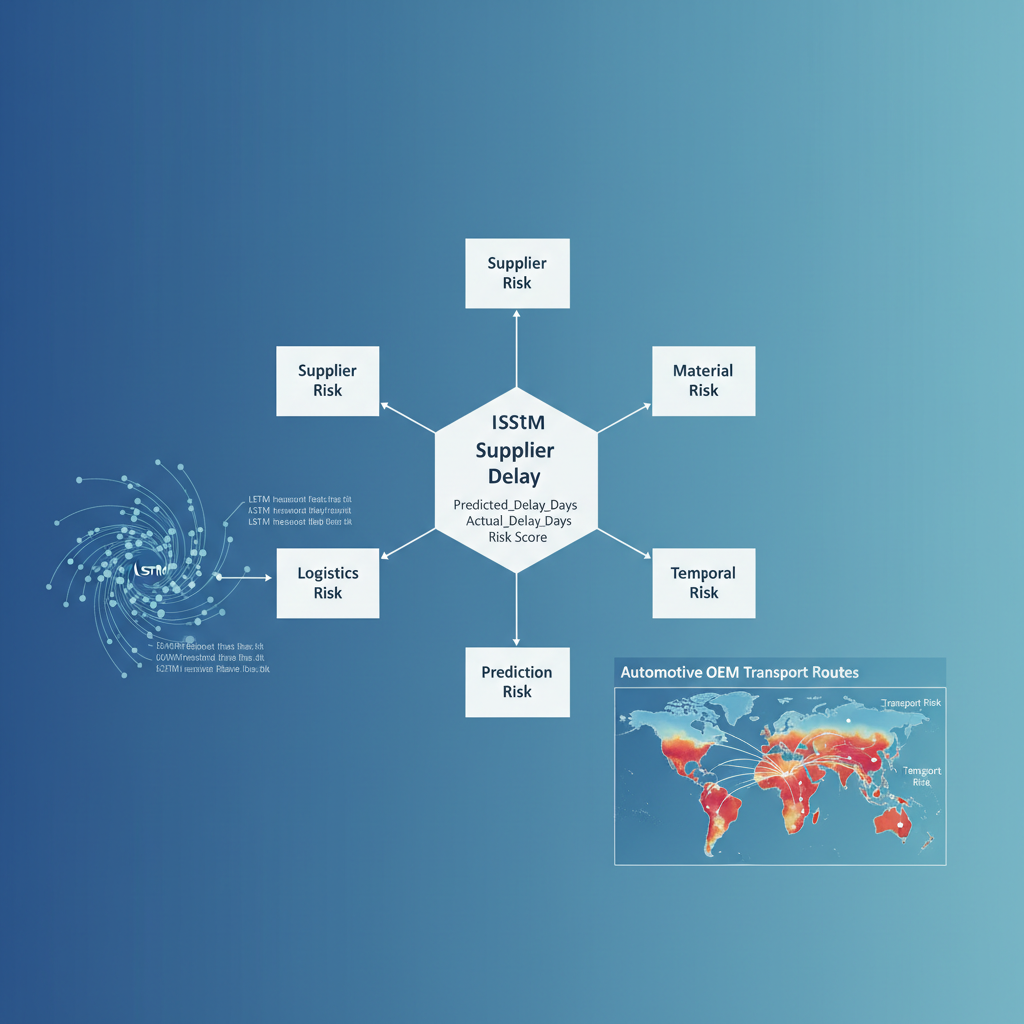
A Data Model for Predictive Supply Chain Risk Management
M Gabellini, L Civolani, A Regattieri, F Calabrese
Nowadays, supply chains have recently shown to be more prone than ever to disruption. Predicting possible future risks has thus become necessary. In this context, artificial intelligence as a pillar of the Industry 4.0 paradigm has proven to deal well with supply chain-related problems. In particular, supervised machine learning tools have shown good predictive capabilities, but they require structured data to work well. While several data models have been proposed in the literature, no data model for supply chain risk management has been found. This paper thus aims to propose a new data model to support supply chain risk-related predictions and evaluate this data model's contribution to enhancing models prediction performance. Following a dimensional fact model formalism (DFM), a conceptual model has been first developed and then has been translated to its respective logic version. Once the data model has been built, the problem of predicting the transport risk for a mechanical component delivered to an automotive OEM has been investigated. The predictive performance of a naïve forecasting model and of two long short-term memory (LSTM) models trained with different data have been compared. Results have shown the better performance of LSTM models against the traditional ones. In addition, the LSTM model built with the support of our data model has shown greater forecasting capabilities compared to the ones relying only on past observation of the variable to predict.
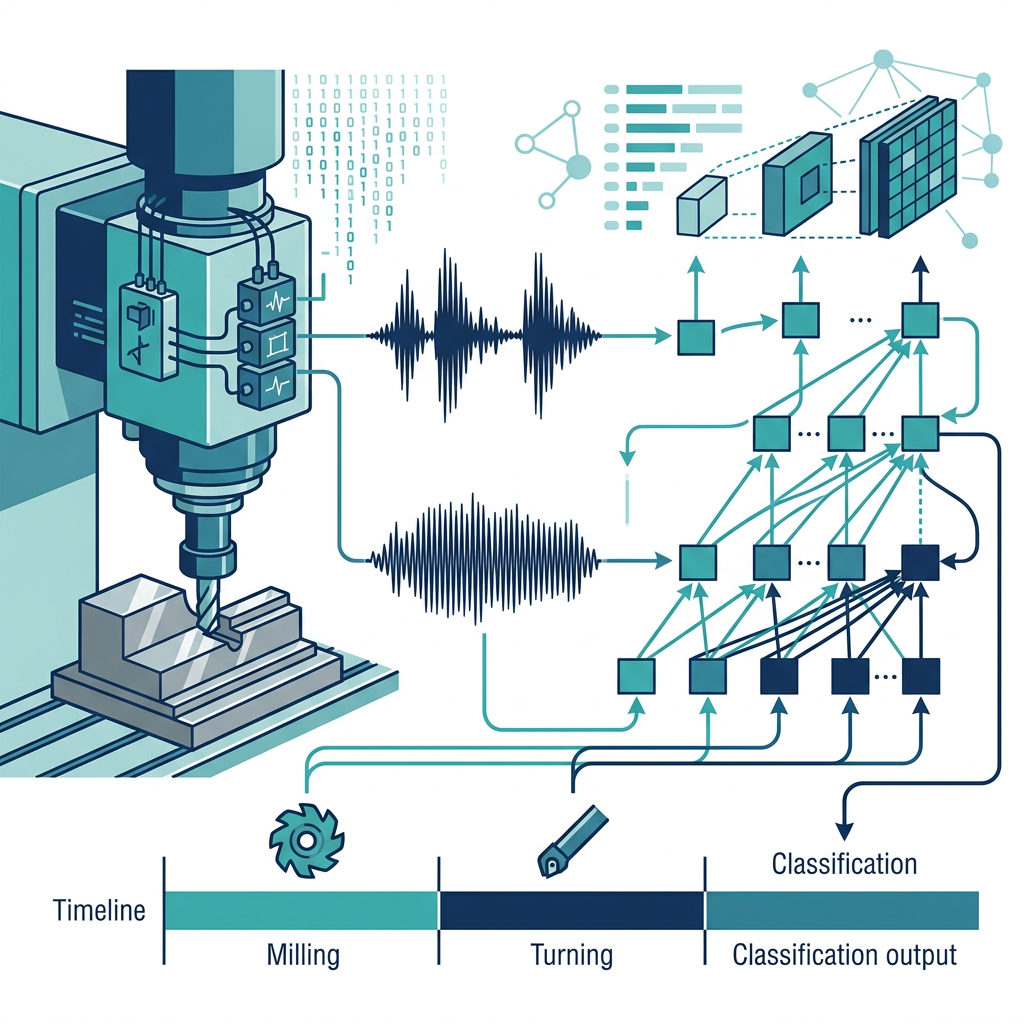
Condition Monitoring of CNC machines: machining process classification through Temporal Convolutional Networks
F Calabrese, A Regattieri, M Gabellini, A Caporale, P Epifania
The ability of data-driven models to assess the health condition of a CNC machine and its component depends on the operating condition and manufacturing process parameters, i.e., contextual information. Many existing studies focus on predicting fault conditions, assuming to know the contextual information. However, it is rarely acquired and stored, especially in IIoT environments, where machines send unlabeled real-time condition monitoring data to a cloud. Developing lightweight algorithms enables predictive analysis based on condition monitoring data at the edge to extract health and contextual information. This paper exploits this possibility by using a sequence-to-sequence classification approach for classifying different machining processes so that the contextual information can be automatically stored for each manufacturing process sequence. The application of a One-Dimensional Convolutional Neural Network for the sequence-to-sequence classification to a CNC machine demonstrates that (1) condition monitoring data are sufficient to obtain contextual information, and (2) the sequence-to-sequence approach outperforms the feature vector-based classification in terms of training time, training accuracy, and generalization ability.

A predictive data-driven approach for supply chain quality risks in the automotive sector
Gabellini MAtteo, Calabrese Francesca, Civolani Lorenzo, Regattieri Alberto, Galizia Francesco Gabriele
Nowadays, modern supply chains are exposed to an increasing number of risks. Among different risks, supplier quality risks consist of non-compliant delivery of supplier products, which on the one hand, can affect the inventory and, on the other hand, can lead to an increased workload due to the time spent to manage quality issues. In supply chain risk management, artificial intelligence, machine learning and deep learning have been identified as valuable tools for predicting incumbent risk. However, a lack of data-driven approaches for predicting the extra amount of time required to manage supply chain quality risk has been identified in the literature. The aim of this paper is thus to present a deep learning model for predicting supplier quality risk and to investigate its predictive capabilities. The potential of the proposed approach has been tested on a real case study of an Italian automotive company and its performance has been compared with other predictive models when considering forecasts made at different levels of aggregation and with different forecasting lengths. © 2023, AIDI - Italian Association of Industrial Operations Professors. All rights reserved.
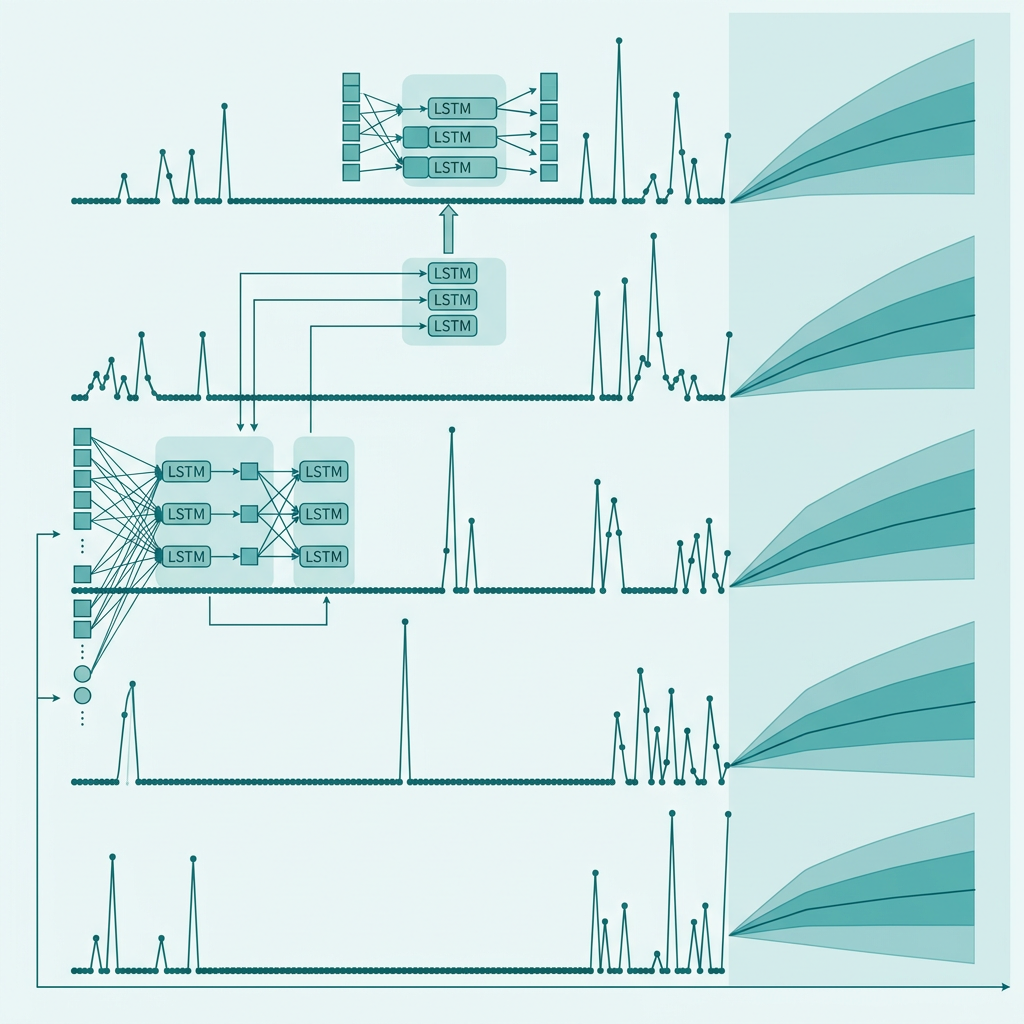
Multivariate multi-output LSTM for time series forecasting with intermittent demand patterns
M Gabellini, Francesca Calabrese, A Regattieri, E Ferrari
Compared to other data sources, demand time series are easily available in the industrial context. Providing accurate forecasts based on this kind of data for components with intermittent demand patterns is thus fundamental in many applications. Examples include optimizing inventory levels and the selection of the best tradeoff between holding and stockout costs in the spare parts management context. Recently, deep learning and machine learning models have been proposed to address this need. Compared to the more traditional ones, these methods better model nonlinear patterns in data. On the other hand, they require more effort in the parameter tuning phase, making it difficult to optimize at an item level in real life. In addition, relying only on single time series has some limitations. This study proposes a new approach based on a multivariate multi-output long short-term memory neural network to reduce time spent tuning and capturing interactions between different items' consumption data. The model is tested on a real spare parts dataset of a mechanical company. Croston's method and its variations, together with a multi-layer perceptron neural network, are used to compare the results.
In Revisione
3Contributi in preparazione per conferenze future.

A Cost-Benefit-Oriented Time-to-Event Approach for Maintenance Ticket Resolution Prediction
Matteo Gabellini, Alberto Regattieri
Maintenance ticket resolution-time prediction is essential for resource planning and service-level management, but existing models proposed in the literature usually frame the problem through formulations that provide only partial operational support. Some approaches estimate the expected resolution duration, without directly modelling the risk of contractual delay, while others predict whether a ticket will exceed a predefined service threshold, without capturing how resolution risk evolves over time. This paper proposes a time-to-event approach that estimates ticket-specific survival functions, enabling both delay-risk assessment and planning-duration estimation. To compare alternative formulations fairly, a unified asymmetric cost metric is introduced, accounting for underplanning, overplanning, contractual delay, and unexpected breaches. The approach is tested on a real dataset of 1,551 service tickets. Results show that, although threshold-based formulations provide stronger delay discrimination, the proposed time-to-event approach achieves the lowest economic cost, supporting more cost-sensitive maintenance planning.
Sottomissione
28 mag 26
Revisione R1 ricevuta
16 giu 26
Revisione R1 inviata
Pubblicazione

A Multi-Objective Optimization Framework for Exploring Sustainability Trade-offs in Energy System Models
Cristian Cafarella, Michele Ronchi, Matteo Gabellini, Riccardo Siena, Mauro Gamberi
The literature highlights the need for energy system models that go beyond traditional cost minimization approaches and explicitly account for economic, environmental, and social dimensions of sustainability. However, many multi-objective energy system models still focus on economic-environmental trade-offs, while the social dimension is less systematically quantified and included as an explicit optimization objective. To address this gap, this paper proposes a multi-objective optimization framework to explore sustainability trade-offs in energy system models. The framework is organized as a structured and replicable workflow that (i) defines sustainability metrics and clarifies how to embed them in an optimization model, (ii) isolates the impact of each metric and establishes benchmark solutions for consistent comparison via single-objective optimization, (iii) generates comparable Pareto sets and supports systematic trade-off assessment via multi-objective optimization, and (iv) analyzes the resulting Pareto sets to quantify correlations and support objective-set reduction. The applicability of the proposed framework is exemplified through a case study focused on the Italian electricity system. Overall, the proposed framework supports transparent sustainability-driven optimization and improves the interpretability and comparability of sustainability trade-offs in energy system planning.
Sottomissione Abstract
4 mar 26
Sottomissione paper
2 apr 26
Revisione R1 ricevuta
8 mag 26
Revisione R1 sottomessa
26 giu 26
Pubblicazione

A Skill-Based Technician Routing and Scheduling Model for Sustainable Maintenance Interventions in Global Customer Service
Matteo Gabellini, Alberto Regattieri, Cristian Cafarella, Michele Ronchi, Giacomo Petroselli
The increasing geographical dispersion of industrial assets and the growing pressure toward environmental responsibility are reshaping global customer service maintenance operations. Although technician routing and scheduling problems have been widely studied, existing models predominantly emphasize cost efficiency and service level compliance, often neglecting the explicit trade-off between operational performance and environmental sustainability, particularly in skill-based maintenance settings. This paper proposes a mixed-integer linear programming model for routing and scheduling multi-skilled technicians performing maintenance interventions in global customer service networks. Technician heterogeneity is captured through performance-based multipliers that affect intervention duration, reflecting different competency levels. This structure generates a critical sustainability trade-off: the most skilled technician may complete an intervention faster but be located farther from the site, implying higher travel-related environmental impact, whereas a closer but less skilled technician may increase service time and operational burden. The model jointly optimizes assignment, scheduling, travel, and return-to-base decisions while explicitly integrating environmental impact and operational costs within a unified objective function. Computational experiments show how the proposed approach supports balanced and sustainability-oriented maintenance planning decisions in global service networks.
Sottomissione Abstract
4 mar 26
Sottomissione paper
2 apr 26
Revisione R1 ricevuta
8 mag 26
Revisione R1 sottomessa
26 giu 26
Pubblicazione

